
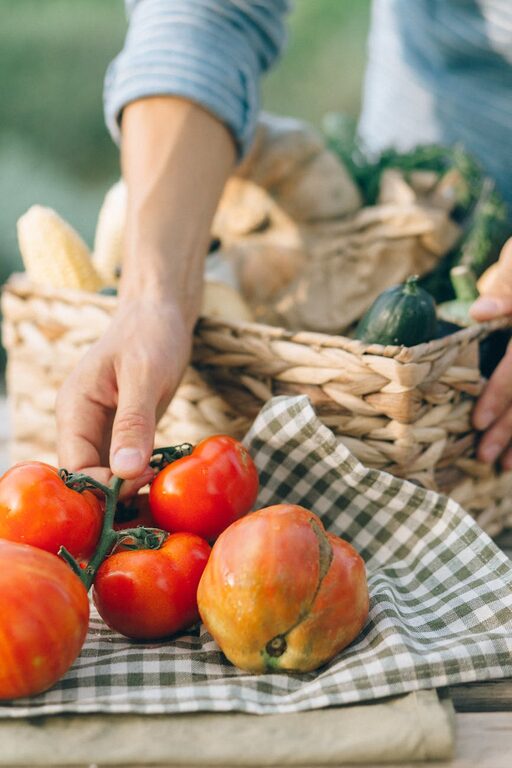
Reducing food waste at home is not only good for your wallet but also beneficial for the environment. Each year, millions of tons of food are discarded unnecessarily, contributing to greenhouse gas emissions and wasted resources. Fortunately, with a few mindful habits, you can play a part in cutting down food waste and making the most of what you buy. This post explores practical and simple ways to reduce food waste in your own kitchen.
Understand Food Labels and Expiration Dates
One common cause of food waste is confusion over expiration dates. Terms like “sell by,” “use by,” and “best before” can be misleading.
– “Best Before” indicates the date until which the product retains its optimal quality, not safety.
– “Use By” is the last date recommended for safe consumption, especially for perishable items.
– “Sell By” helps stores manage stock and is not an expiration date for consumers.
Learning to interpret these labels correctly lets you confidently use food items beyond their printed dates when safe, avoiding premature disposal.
Plan Meals and Shop Smartly
Planning your meals ahead of time can significantly reduce impulse buys and forgotten ingredients that spoil.
– Make a weekly meal plan and create a shopping list based on needed ingredients only.
– Shop with a full stomach to avoid buying unnecessary snacks.
– Buy only what you need—especially with perishable fresh produce and dairy.
By shopping intentionally, you minimize the chances of food going unused.
Store Food Properly
Proper storage extends the life of many foods.
– Keep fruits and vegetables separate when possible, as some release ethylene gas which speeds ripening.
– Use airtight containers or reusable wraps for leftovers.
– Store bread in cool, dry places or freeze if you’re not using it within a couple of days.
– Place older items in the front of the fridge or pantry to use them first.
Using appropriate containers and organizing your food helps reduce spoilage.
Practice Portion Control and Use Leftovers Creatively
Cooking more than you can eat leads to excess waste. Try to prepare portions that fit your eating habits.
– Use smaller pans or measure portions before cooking.
– For leftovers, get creative with recipes. For example:
– Turn roasted vegetables into soups or sauces.
– Use stale bread for croutons or breadcrumbs.
– Blend overripe fruit into smoothies or baking.
Transforming leftovers into new dishes limits the amount discarded.
Freeze and Preserve Surplus Food
Freezing is one of the best ways to extend the life of food.
– Freeze bread, meats, fruits, and even some dairy products.
– Portion frozen meals for easy future use.
– Consider canning or pickling surplus fruits and vegetables when in season.
Preserving food boosts your ability to enjoy ingredients beyond their fresh lifespan, reducing waste significantly.
Compost Food Scraps
While reducing waste is the goal, some food scraps are unavoidable. Composting is an eco-friendly way to recycle kitchen waste like vegetable peels, coffee grounds, and eggshells.
– Set up a compost bin in your backyard or use a countertop compost container.
– Avoid composting meat, dairy, or cooked foods that attract pests.
Composting returns nutrients to the soil and keeps organic matter out of landfills.
Regularly Take Stock and Practice “First In, First Out”
Keeping your pantry and fridge organized helps you keep track of what you have.
– Regularly check supplies to use older items first.
– Label and date leftovers or opened packages.
– Rotate items when restocking to avoid forgotten food.
This habit reduces waste caused by expired or spoiled stock.
Educate Household Members
Engage everyone in the household to be mindful of food waste.
– Share these strategies together.
– Encourage mindful portions and meal choices.
– Make sure everyone understands the importance of storing and using food properly.
When the entire household contributes, waste reduction becomes easier and more consistent.
—
By adopting these simple habits at home, you can make a real difference in reducing food waste. Not only will you save money, but you’ll also be supporting a healthier planet. Start with one or two ideas today and gradually build your waste-conscious routine!
