
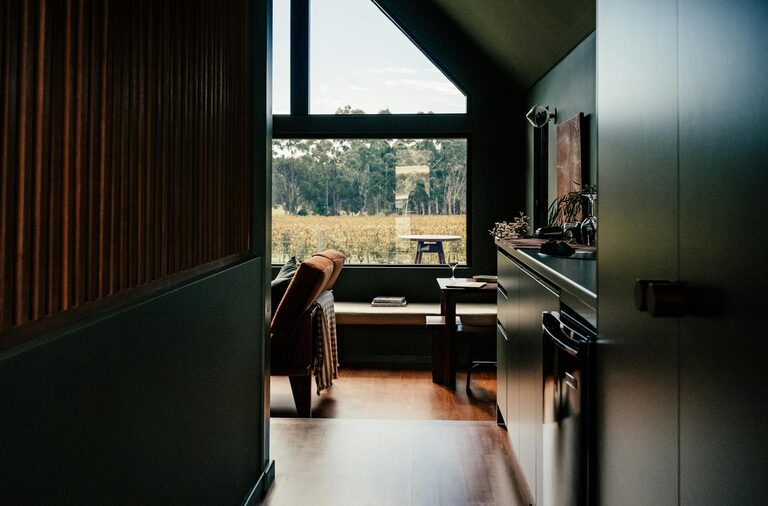
A dark room can feel cramped, gloomy, and unwelcoming. Whether it’s a small bedroom, a basement, or a living room with limited natural light, there are many quick and affordable ways to make the space feel brighter and more inviting. Brightening a dark room doesn’t always mean a full renovation—sometimes small changes can have a big impact.
In this post, we’ll explore practical ideas to illuminate your dark room, improve its ambiance, and create a more cheerful environment.
1. Use Light Colors on Walls and Ceilings
One of the simplest ways to brighten a dark room is by painting the walls and ceiling with light colors. Whites, off-whites, light grays, and pastels reflect more light and make spaces feel more open. A dark color can absorb light and add to the room’s shadowy effect.
Tips for choosing wall colors:
– Select cooler tones like pale blue or soft green if you want to add subtle color without sacrificing brightness.
– Avoid matte finishes that absorb light; choose eggshell or satin finishes that reflect a bit more.
– Painting the ceiling a bright white can enhance the sense of height and openness.
2. Maximize Natural Light
If your room has windows, making the most of natural light is critical.
How to enhance natural light:
– Keep windows clean to avoid blocking sunlight.
– Use sheer or light-colored curtains instead of heavy drapes.
– Avoid placing bulky furniture or tall items in front of windows.
– Add mirrors opposite or near windows to reflect light deeper into the room.
3. Add Multiple Light Sources
Relying on a single overhead light often isn’t enough to brighten a room evenly. Incorporating multiple layers of lighting creates a warmer, more balanced feel.
Types of lighting to consider:
– Ambient lighting: Main ceiling light providing general illumination.
– Task lighting: Desk lamps, bedside lamps, or under-cabinet lights that focus on specific areas.
– Accent lighting: Wall sconces, LED strip lights, or spotlights to highlight artwork or architectural features.
Using bulbs with daylight or warm white tones can make the light feel more natural and inviting.
4. Choose Reflective and Light-Enhancing Decor
Certain materials and accessories naturally enhance brightness.
Ideas for reflective accents:
– Mirrors: Large or strategically placed mirrors bounce light around the room.
– Metallic finishes: Silver, gold, or brass elements on picture frames, lamps, or furniture add sparkle.
– Glass and acrylic: Transparent furniture or decor keeps the room feeling airy.
Light-colored rugs and throws can also add softness while preserving brightness.
5. Declutter and Simplify the Space
A cluttered space can feel heavier and darker, even with good light.
Tips to declutter:
– Remove unnecessary bulky furniture.
– Organize items and store those not frequently used out of sight.
– Keep surfaces clear and tidy.
A tidy space allows light to spread and improves the overall mood.
6. Use Light-Enhancing Window Treatments
If privacy is a concern, you can still brighten the room using window treatments designed to diffuse light.
– Sheer blinds or shades soften sunlight without darkening the room.
– Roman shades in light fabrics strike a balance between privacy and illumination.
– Lace curtains add texture and filter light pleasantly.
7. Opt for Light-Colored Flooring
Dark floors absorb light and can weigh down a room visually. If you are open to changing flooring or adding rugs, consider lighter tones.
– Light wood or laminate floors can open up the space.
– Pale area rugs can contrast with darker flooring to create brightness.
– Avoid heavily patterned rugs that make the room feel busy and smaller.
8. Incorporate Plants to Add Life and Color
Adding greenery can bring freshness and vibrancy to a dark room, making it feel more alive and welcoming. Choose plants that thrive in low-light conditions.
– Snake plants, pothos, or ZZ plants are ideal options.
– Place them near windows or light sources to help them flourish.
The natural green color also contrasts nicely with neutral tones.
9. Use Transparent or Lightweight Furniture
Heavy furniture with dark finishes can make a room feel closed in.
– Consider acrylic chairs or glass tables.
– Furniture with thin legs or open bases can create a sense of space.
– Opt for upholstery in light colors to keep the room airy.
10. Experiment with LED Strip Lighting and Smart Bulbs
Modern lighting technology offers creative solutions to brighten dark spaces.
– LED strip lights can be installed under shelves, behind TVs, or around mirrors to add subtle illumination.
– Smart bulbs allow you to adjust brightness and color temperature according to time of day or mood.
These options often use less energy while improving ambiance.
—
Final Thoughts
Brightening a dark room is achievable with small, thoughtful changes. By focusing on light colors, increasing light sources, maximizing natural light, and incorporating reflective elements, you can transform any space into one that feels open and inviting. Start with a few of these ideas and adjust according to the room’s unique needs. With some creativity and care, your dark room can quickly become a bright, happy place to spend time.
