
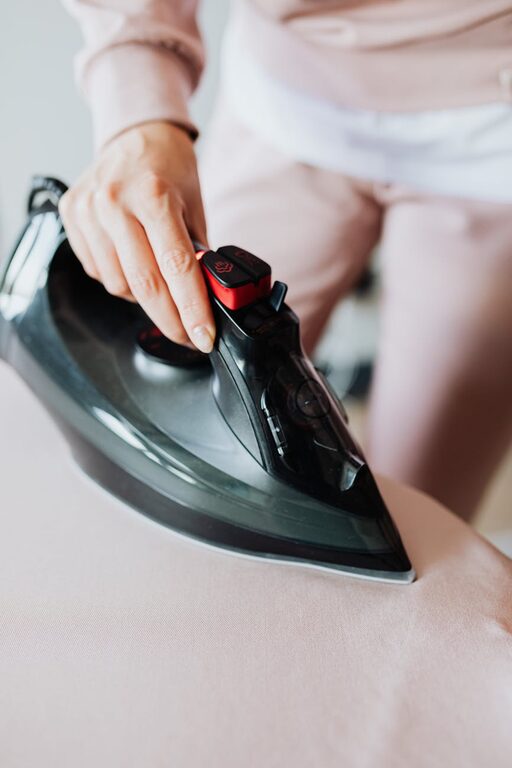
Taking good care of your clothes is not only good for your wallet, but it also helps reduce waste and keep your wardrobe looking fresh and stylish. With a few simple habits and thoughtful techniques, you can extend the life of your favorite garments significantly. In this post, we’ll explore practical tips for caring for your clothes longer — from how to wash them properly to smart storage ideas.
Why Caring for Clothes Matters
Clothes go through a lot — wearing, washing, drying, and storing. Over time, these actions can cause fading, shrinking, stretching, or fabric damage. Proper care slows down wear and tear, preserving the color, fit, and texture of your clothes. Not only does this save money by reducing the need to replace items frequently, but it also supports sustainable fashion by lowering textile waste.
1. Read and Follow Care Labels
Every garment comes with a care label that provides specific instructions on washing, drying, ironing, and sometimes even dry cleaning. These labels are your first guide to keeping clothes in good shape.
– Look for water temperature recommendations (cold, warm, hot).
– Note any fabric-specific instructions like hand wash only or dry clean.
– Follow drying guidelines to avoid shrinking or damage, such as tumble dry low or line dry.
Care labels are designed to protect your clothes, so taking a moment to read them pays off in longer-lasting garments.
2. Sort Clothes Before Washing
Washing clothes properly starts before you even turn on the washing machine. Sorting clothes by color, fabric type, and washing requirements prevents common problems.
– Separate whites, darks, and colors to avoid dye transfer.
– Group heavy fabrics (like jeans or towels) separately from delicates.
– Wash new items separately for the first few times to avoid color bleeding.
Sorting helps maintain original colors, protects delicate fabrics, and improves washing efficiency.
3. Use Gentle Detergents and the Right Amount
Harsh detergents or overusing detergent can weaken fabric fibers and fade colors.
– Choose gentle, mild detergents suited for your clothing types.
– Avoid bleach unless specified on the label.
– Use the recommended amount of detergent — excess soap can build up and cause stiffness or discoloration.
If you have sensitive skin or want to care for delicate fabrics, consider hypoallergenic or eco-friendly detergent options.
4. Wash Clothes in Cold Water
Washing in cold water is one of the simplest ways to reduce fading, shrinking, and fabric damage.
– Cold water helps preserve colors and reduces energy consumption.
– Hot water should only be used for heavily soiled items or whites when needed.
Unless your clothing requires hot washing, sticking to cold or warm cycles can greatly extend garment life.
5. Turn Clothes Inside Out
Turning your garments inside out before washing protects the outside fabric and keeps colors vibrant.
– It reduces friction on the outer surface during washing cycles.
– This simple step is especially helpful for printed or delicate fabrics.
6. Avoid Overloading the Washer
Filling your washing machine beyond capacity causes clothes to rub against each other excessively, leading to pilling, stretching, and faster wear.
– Wash smaller loads for better cleaning and less fabric stress.
– Give clothes room to move freely for thorough rinsing.
7. Air Dry When Possible
Dryers can be convenient, but they are rough on fabric and cause shrinkage, fading, and fiber breakage.
– Whenever possible, air dry clothes on a drying rack, hanger, or clothesline.
– Drying indoors reduces sun damage and fading.
– If you use a dryer, opt for low heat and remove clothes while slightly damp to prevent over-drying.
8. Store Clothes Properly
How you store your clothes affects their shape and longevity.
– Fold heavy knitwear rather than hanging to avoid stretching.
– Use padded or shaped hangers for delicate blouses and dresses.
– Store seasonal clothing in breathable containers or garment bags to prevent dust and pests.
– Keep clothes in a cool, dry place away from direct sunlight.
Proper storage helps maintain fabric integrity and reduces damage over time.
9. Handle Stains Quickly and Carefully
Treat stains promptly to avoid permanent marks.
– Blot stains gently with a clean cloth; avoid rubbing, which can spread or set the stain.
– Use stain removers appropriate for the fabric.
– Wash the garment as soon as possible following stain treatment.
Preventing stain damage prolongs garment appearance.
10. Rotate Your Clothes Regularly
Wearing the same items repeatedly can cause uneven wear.
– Rotate clothes in your wardrobe to give items time to rest between wears.
– This helps preserve elasticity and fabric structure.
Bonus Tips: Maintenance Between Washes
– Spot clean spots or odors when full washing isn’t necessary.
– Use a fabric shaver to remove pills or fuzz.
– Consider professional cleaning for delicate or special-care garments.
Conclusion
Caring for your clothes effectively is easier than you might think and has lasting benefits. By following the tips above—reading care labels, washing and drying mindfully, sorting properly, and storing clothes correctly—you’ll keep your wardrobe looking fresh and last much longer. Beyond financial savings, these habits contribute to more sustainable living and give your favorite pieces the longevity they deserve.
Happy caring!
—
Feel free to share your own clothing care tips or questions in the comments below!
